
The Pig in the Python: How Generational Change Is Reshaping the Recreation Industry
by Talmage Call | May 20, 2026
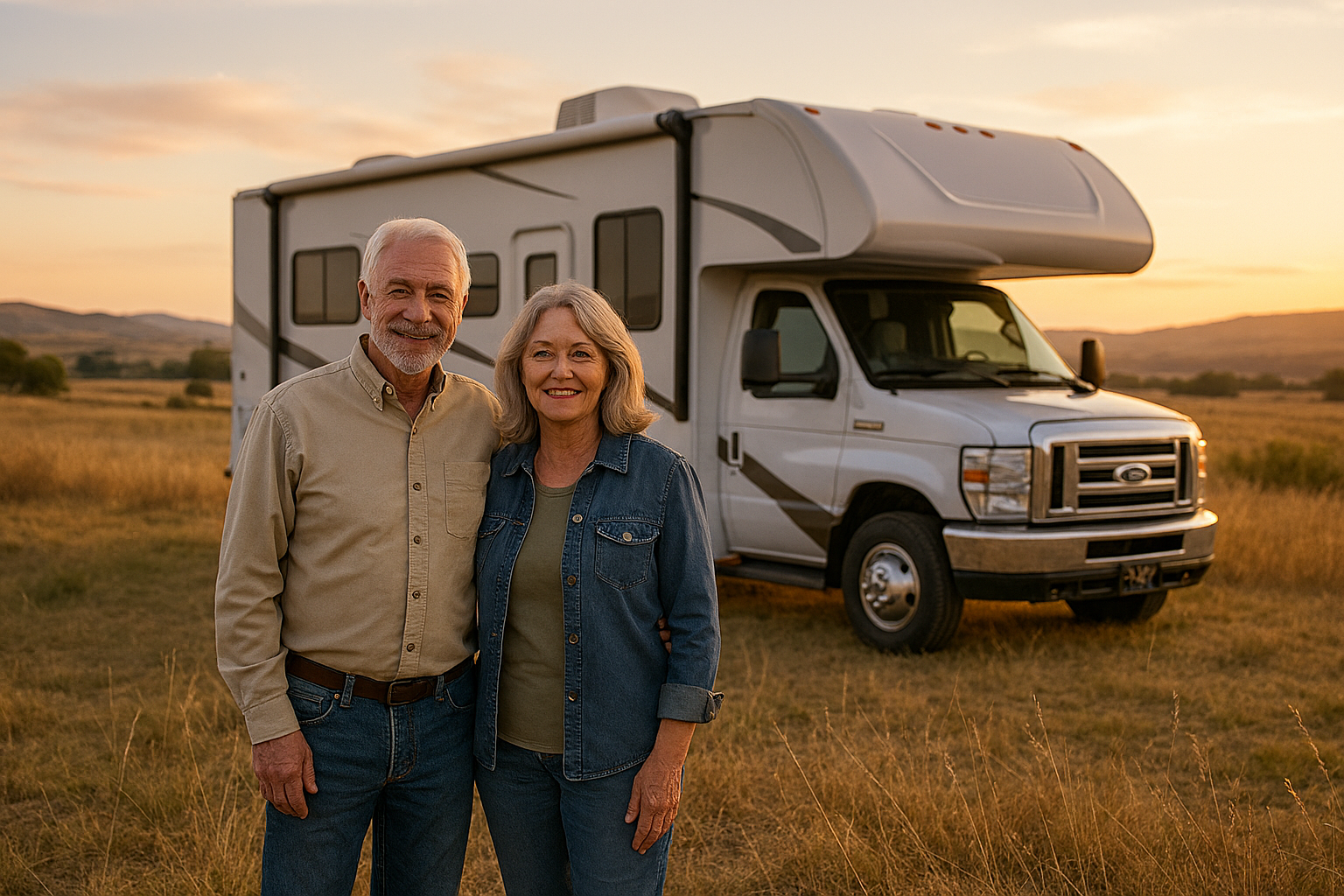
In the last year, we have reached a benchmark for generational change. The first baby boomers, born in 1946, are turning 80 and younger generations are taking their place in the RV and marine industries. For decades, Baby Boomers have driven sales in the RV and marine industries, but the face of recreational vehicle buyers is changing as baby boomers get older and the younger generations get established. According to Brookings Metro, personal spending declines broadly after 80, among the rich and poor alike. But don’t worry, in this article, we will explain how to address younger buyers.
This is not a distant trend on the horizon. It is happening now, in your showroom, at your finance desk, in your loan applications. Understanding what is driving this change — and what comes next — is essential for every recreation dealer who wants to grow in the years ahead.
The “Pig in the Python”
Demographers have long used the phrase “pig in the python” to describe the baby boom generation’s journey through American life. The image is apt: a massive generational bulge moving slowly through time, distorting every market and institution it passes through. When boomers were young, the toy industry boomed. When they entered the workforce, office parks multiplied. When they turned 50, the RV and marine industries had some of their best decades on record.
Now the pig is passing through its final economic chapter. The Brookings Institution, in a January 2026 analysis, noted that over the ten-year period from 2025 to 2035, there will be a noticeable rise in the population aged 71 to 89 as boomers move into these ages — while the population aged 55 to 70 will simultaneously decline as boomers age out of that cohort. The bulge is moving up the age scale, and the recreation industry needs to move with it.
The boomers turning 80 in 2026 include names your customers would recognize — Dolly Parton, Cher, Sylvester Stallone, Steven Spielberg, and three U.S. presidents: Bill Clinton, George W. Bush, and Donald Trump. They are a generation that defined consumer culture for six decades.
What Turning 80 Does to Spending
The economic data on spending after age 80 is clear and consistent. Spending tends to decline after age 80. The spending that declines fastest is discretionary: trips, vacations, and leisure. For wealthier couples aged 80 and older, those categories account for less than 5% of household spending. Healthcare, by contrast, consumes 15.4% of spending for couples 80 and older, compared with 11% for households aged 65 to 69.
For recreation dealers, this data point is stark and actionable. The customer who bought a Class A motorhome at 65, a pontoon boat at 68, and a side-by-side at 71 is not going to be back at your finance desk at 80. Their purchasing chapter for recreation vehicles is largely closed. The question is not whether you will lose this customer segment — you will — but whether you have already cultivated the generation that replaces them.
The Generational Succession Is Already Underway
The good news is that younger generations are not waiting to be invited in. According to the RV Industry Association’s Go Rvin Owner Demographic Profile, the median age of RV owners has dropped from 53 in 2021 to 49 in 2025. Forty-six percent of all RV owners now fall within the 35 to 54 age range, which means the heart of the buyer pool is Gen X and older Millennials.
The RVIA reports that 83% of Millennial RV owners and 72% of Gen Z owners plan to purchase another RV — and 79% prefer to buy new. The replacement demand from younger generations is real, substantial, and growing.
In the marine industry, the transition is following a similar trajectory. Lightspeed DMS data covering March 2024 through February 2025 found that Gen X made the most fishing boat purchases during that period. Baby boomers still spent more per transaction on average — their purchasing power remains significant — but Gen X is now driving unit volume. As the National Marine Manufacturers Association noted in its January 2026 industry outlook, the boating market in 2025 was led by entry-level categories: personal watercraft, aluminum fishing boats, and smaller trailerable boats. These are exactly the products a 38-year-old Millennial buyer with two kids and a truck is looking for. They are also exactly the products where point-of-sale financing makes the difference between a closed deal and a walk-out.
The New Buyer at Your Finance Desk
Younger buyers are not simply younger versions of the boomer customers your finance managers have spent careers serving. They think, shop, and borrow differently — and your F&I process needs to reflect that.
McKinsey & Company, in its analysis of younger boat and RV buyers, found that Gen Z and Millennial consumers are nearly twice as likely as Gen X or Boomer consumers to express an intention to purchase a boat or RV in the coming year. But they arrive at the dealership having already done their homework. Where boomers often relied on floor salespeople to guide them through the buying decision, younger buyers typically complete their product research online before they ever walk through your door. They arrive knowing what they want, what it should cost, and what financing terms are available.
This shift has direct implications for how recreation dealers should structure their finance and insurance conversations. The younger buyer is not starting from zero at the F&I desk. They are arriving with expectations shaped by digital research. The dealers who earn their business will be the ones whose financing offers are transparent, competitive, and fast — not the ones who rely on information asymmetry or a slow approval process.
What has not changed, however, is the role of financing itself. Younger buyers are, if anything, more dependent on point-of-sale financing than boomers were. Millennials entered the workforce during the 2008 financial crisis, accumulated less early-career wealth than their parents did, and are reaching major life milestones — homeownership, family formation, discretionary purchases — later and under tighter financial constraints. Financing is not an afterthought for this buyer; it is often the deciding factor.
The Great Wealth Transfer: The Tailwind Behind the Pig
There is a longer-range story behind the generational transition, and it is one of the most consequential financial events in American history. As baby boomers age through their 80s, their accumulated wealth will begin moving to their heirs on a massive scale. Cerulli Associates, one of the most authoritative research firms in financial services, projects that $124 trillion will transfer between generations by 2048, with approximately $100 trillion moving from the Silent Generation and baby boomers to Gen X and Millennial heirs.
For recreation dealers, the near-term beneficiary of this transfer is Gen X. Cerulli estimates that Gen X will inherit approximately $1.4 trillion per year over the next decade — the largest short-term wealth windfall in American history. Gen X buyers are currently aged 46 to 61, which places them squarely in the prime years for recreation vehicle purchases. Their buying power is projected to grow from $15.2 trillion today to $23 trillion by 2035. This is not theoretical future demand. It is the buyer who is already in your market, already at your finance desk, and about to get significantly more financially capable.
McKinsey estimates that approximately $18 trillion in boomer assets will transfer to younger generations by 2030. Much of this will arrive not as inheritance at death, but as living transfers — parents helping adult children with down payments, gifting while living, and drawing down retirement accounts under IRS required minimum distribution rules. This “give while you live” dynamic means the wealth transfer is already creating purchasing power among younger buyers, not waiting for a future estate settlement.
Millennials, for their part, are the longer-term story. Cerulli projects they will inherit $46 trillion in total over the next 25 years — more than any other generation. As they move through their 40s and 50s in the 2030s and 2040s, the combination of career peak earnings and inherited wealth will make them the most powerful recreation buyers the industry has ever seen.
What This Means for Your Dealership, Right Now
The generational shift underway is not a crisis for recreation dealers — it is a transition. The boomers who drove your business for 30 years are not disappearing overnight. Many are still active buyers in their late 60s and early 70s. But the trajectory is clear, and dealers who wait to adapt will find themselves with a customer base that is aging faster than it is being replaced.
The dealers who will thrive in this environment are those who are actively building relationships with Gen X and Millennial buyers today: financing products structured for their income profiles and life stages, digital-first buying experiences that match how they shop, and marketing that reflects the diversity and values of a younger generation.
The pig is moving. The question is whether your dealership is moving with it.


